About ACRHO
A community-driven organization working to bridge health inequalities and empower rural communities in Migori County, Kenya.
Who We Are
ACRHO is a community-driven organization founded to respond to persistent health inequalities affecting rural communities. We work through a participatory model that places communities at the center of identifying challenges, shaping solutions, and sustaining progress.
Our work integrates prevention, treatment, referral, education, and livelihood empowerment to address both immediate health needs and the underlying social determinants of health.
Our Story
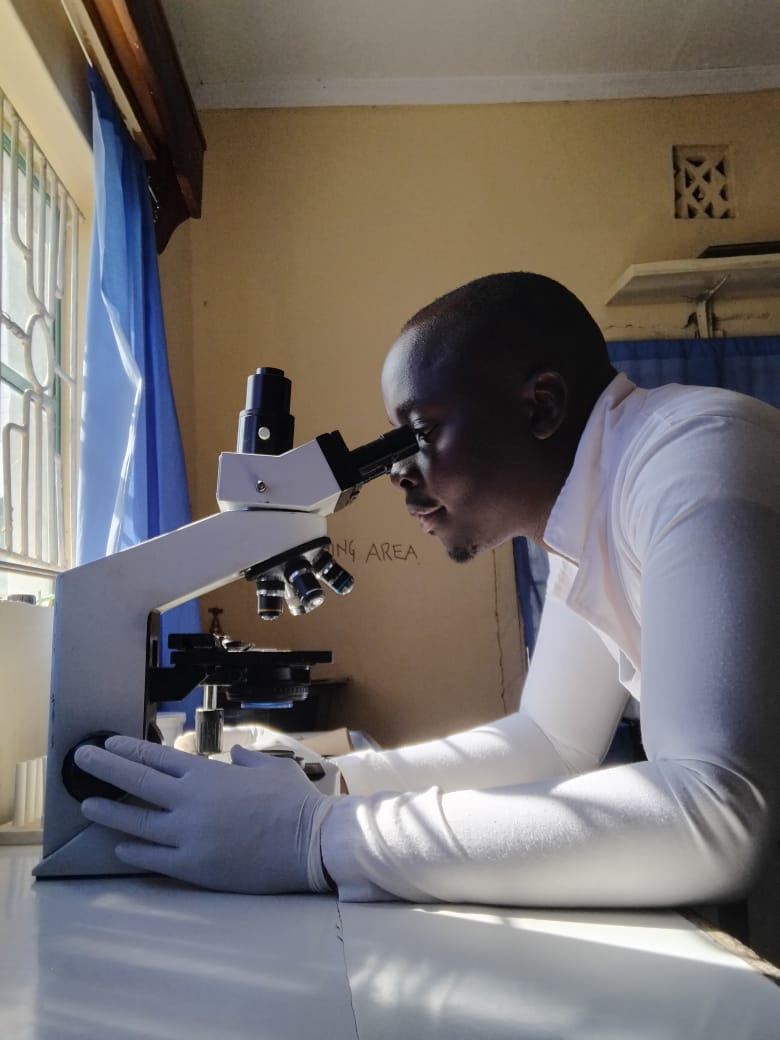
Founded in 2008, Alpha Community Nursing Home emerged as a direct response to a critical gap in accessible, affordable, and quality healthcare within the community, a need most acutely felt by women, children, and low-income families.
In its early years, the facility provided essential outpatient services, including consultations, laboratory investigations, and the dispensing of medications. Over time, it steadily grew in capacity and scope, expanding to offer comprehensive inpatient care such as admissions, general nursing, and medication administration.
This effort directly contributed to the expansion and development of Sibuoche Maternity and Nursing Home, extending quality maternal and primary healthcare services to last-mile and hard-to-reach populations.
Through its consistent, patient-centered approach, the nursing home has earned deep trust among community members and established itself as a reliable local provider. Its presence has significantly improved community health outcomes by enabling early disease detection and alleviating pressure on larger referral hospitals.
To broaden its impact beyond the facility's walls, Alpha Community Nursing Home actively collaborates with Sibuoche Maternity and Nursing Home, both operating under the umbrella of Alpha Community Rural Health Organization (ACRHO), a women-led community-based organization.
Our Core Values
These principles guide everything we do and shape our approach to community health
Compassion and Dignity
Treating every individual with respect, empathy, and care.
Community Ownership
Empowering communities to identify challenges and shape solutions.
Equity and Inclusion
Ensuring healthcare access for all, especially the marginalized.
Integrity and Accountability
Operating with transparency, honesty, and responsibility.
Quality and Evidence-Based Care
Delivering services grounded in best practices and proven outcomes.
Participation and Empowerment
Recognizing health as a fundamental human right for all.
Board Leadership Team
Committed community leaders guiding ACRHO through governance, accountability, and people-centered health service delivery.
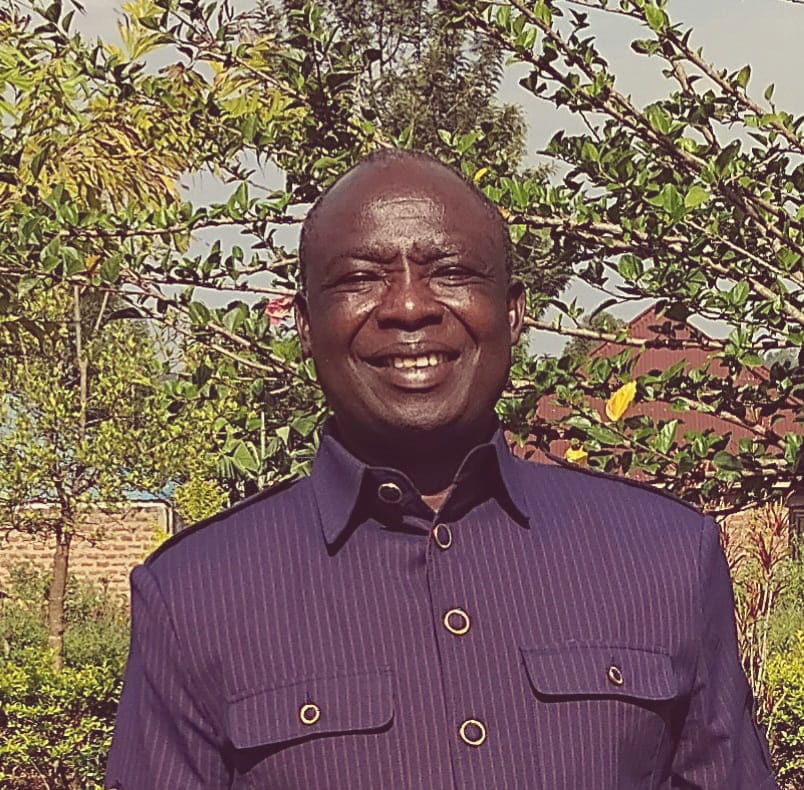
Kennedy Oluoch Tiengo
Chairperson
He is trained in Community and Social Work Development from the Kenya Institute of Social Work Development and has a background in accounting. A committed community health advocate with experience in leadership and health program oversight, he provides strategic direction and ensures strong governance in advancing quality healthcare for rural communities. He oversees governance and ensures the organization remains aligned with its mission of delivering quality healthcare services to rural communities.

Daniel Odhiambo
Secretary
He is a trained clinical officer bringing valuable healthcare knowledge to the organization's leadership. He is also a trained peer educator and has training in guidance and counselling. He is responsible for coordinating board activities, maintaining accurate records, and ensuring effective communication within the organization. As Secretary, he supports compliance, documentation, and smooth implementation of programs, contributing to the delivery of quality and ethical community health services.
Rael Adoyo
Board Member
Works as a Community Health Promoter with experience in grassroots health education and outreach. She is a dedicated individual with experience in community engagement and social development. She contributes to program planning, community engagement, and the implementation of health promotion programs.
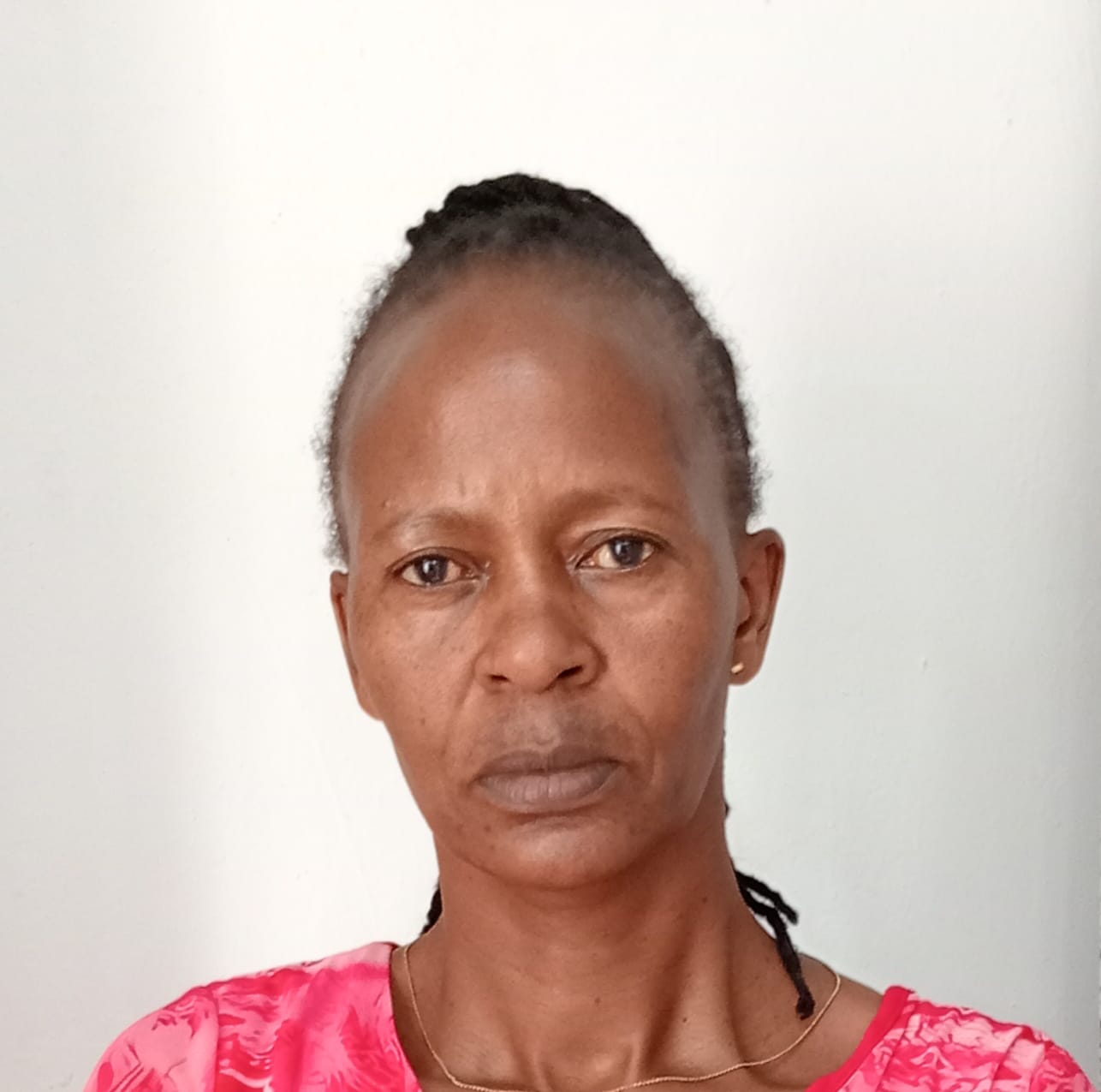
Elida Atieno Osunga
Board Member
Works as a Community Health Promoter and has a background in art and design, bringing creativity, organization, and attention to detail to the financial management of the organization. She is responsible for overseeing budgeting, financial planning, and proper record-keeping to ensure transparency and accountability. As treasurer, she supports sustainable resource utilization and compliance with financial policies to strengthen operations and donor confidence.
Our Rights-Based Approach
ACRHO recognizes health as a fundamental human right. All our programs are guided by principles of participation, non-discrimination, accountability, and empowerment.
We ensure that women, children, youth, persons with disabilities, and other marginalized groups are meaningfully included in planning and benefit equally from services. We promote informed choice, confidentiality, respectful care, and community voice in all interventions.
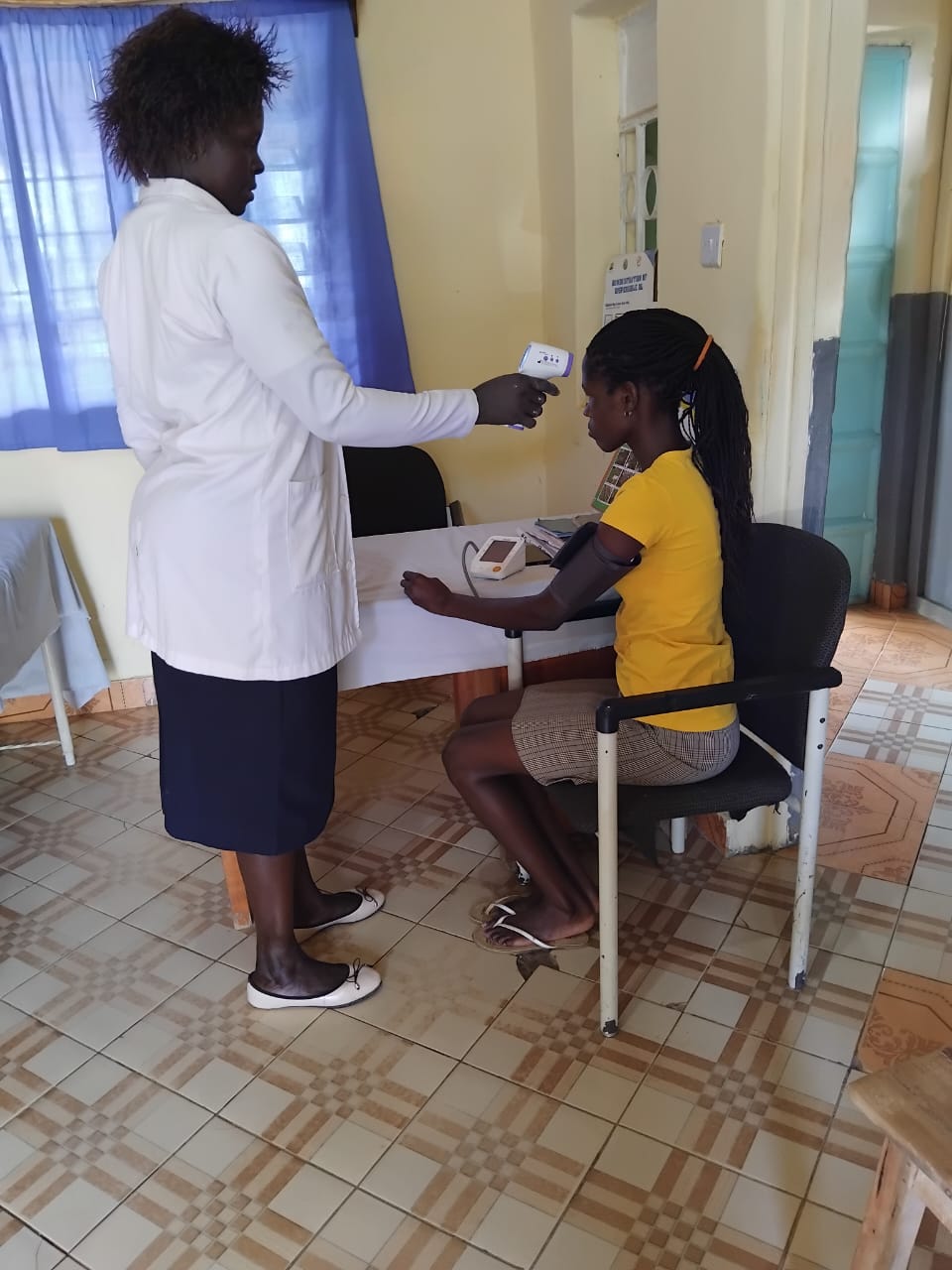
Equity and Inclusion
We intentionally prioritize populations facing the greatest barriers to healthcare, including women and girls, low-income households, remote communities, and persons with disabilities.
Special focus is placed on equity in WASH programming by supporting gender-responsive sanitation in schools, infection-prevention infrastructure in health facilities, and safe water access in underserved villages.
Our designs are culturally appropriate, accessible, and responsive to local realities.
ACRHO Theory of Change
Communities have access to nearby quality health facilities, essential services, clean water and sanitation, accurate health information, and a trained community health workforce, and if individuals are empowered to understand and claim their right to health,
They will seek timely care, adopt healthy behaviors, prevent disease, and manage existing conditions effectively,
Barriers to access are reduced, services are responsive and trusted, and communities have the knowledge, confidence, and systems to sustain health improvements.